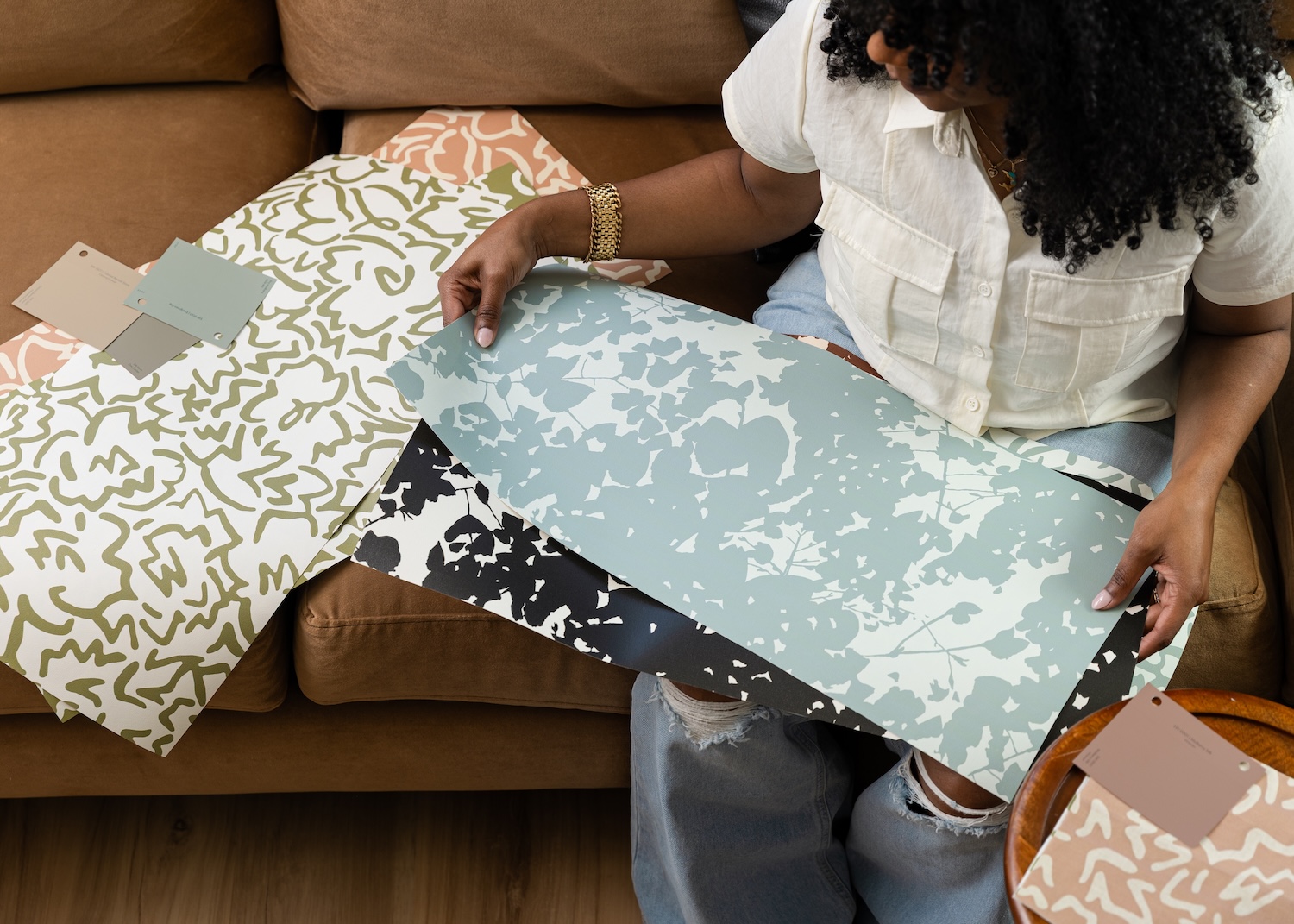
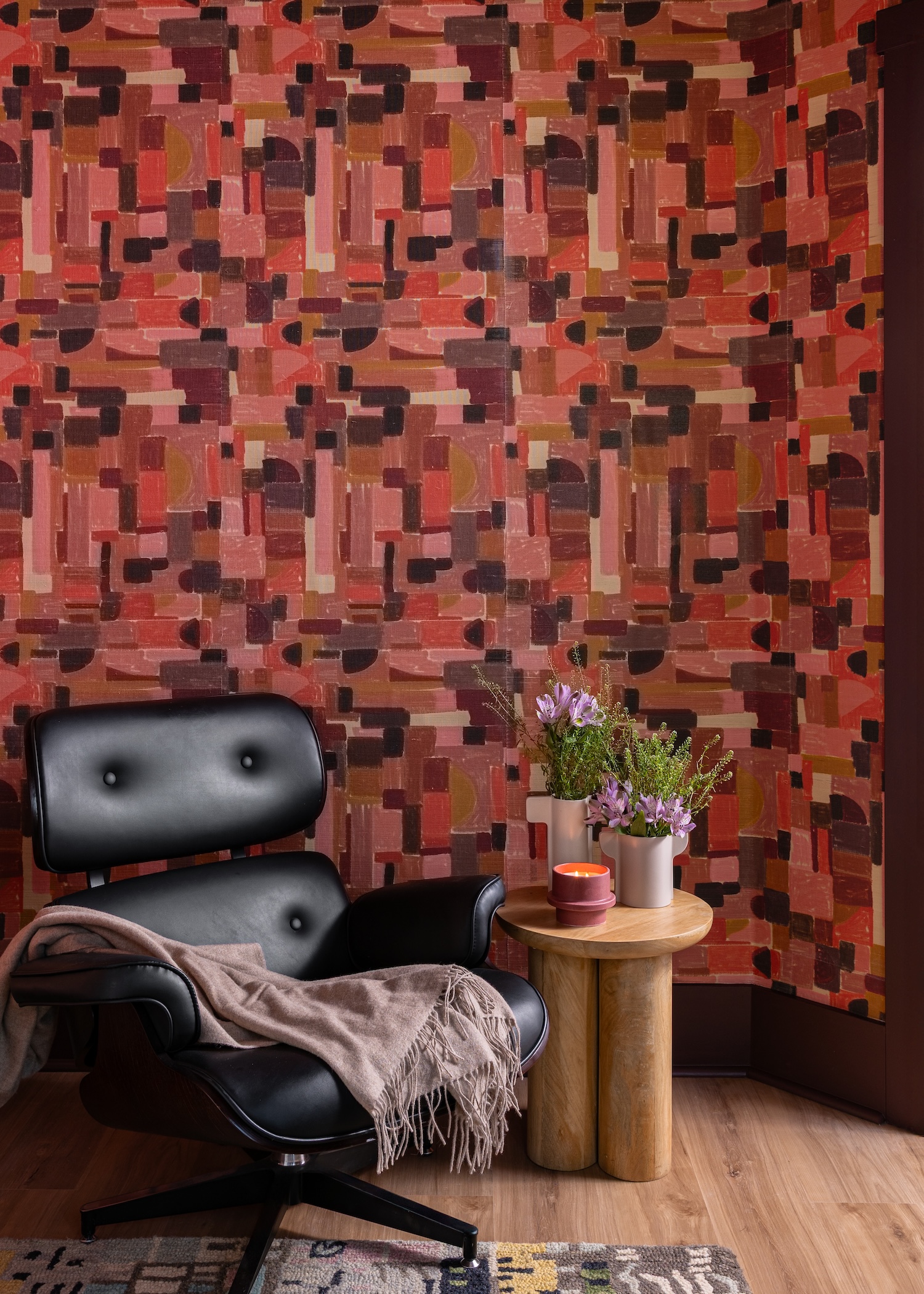
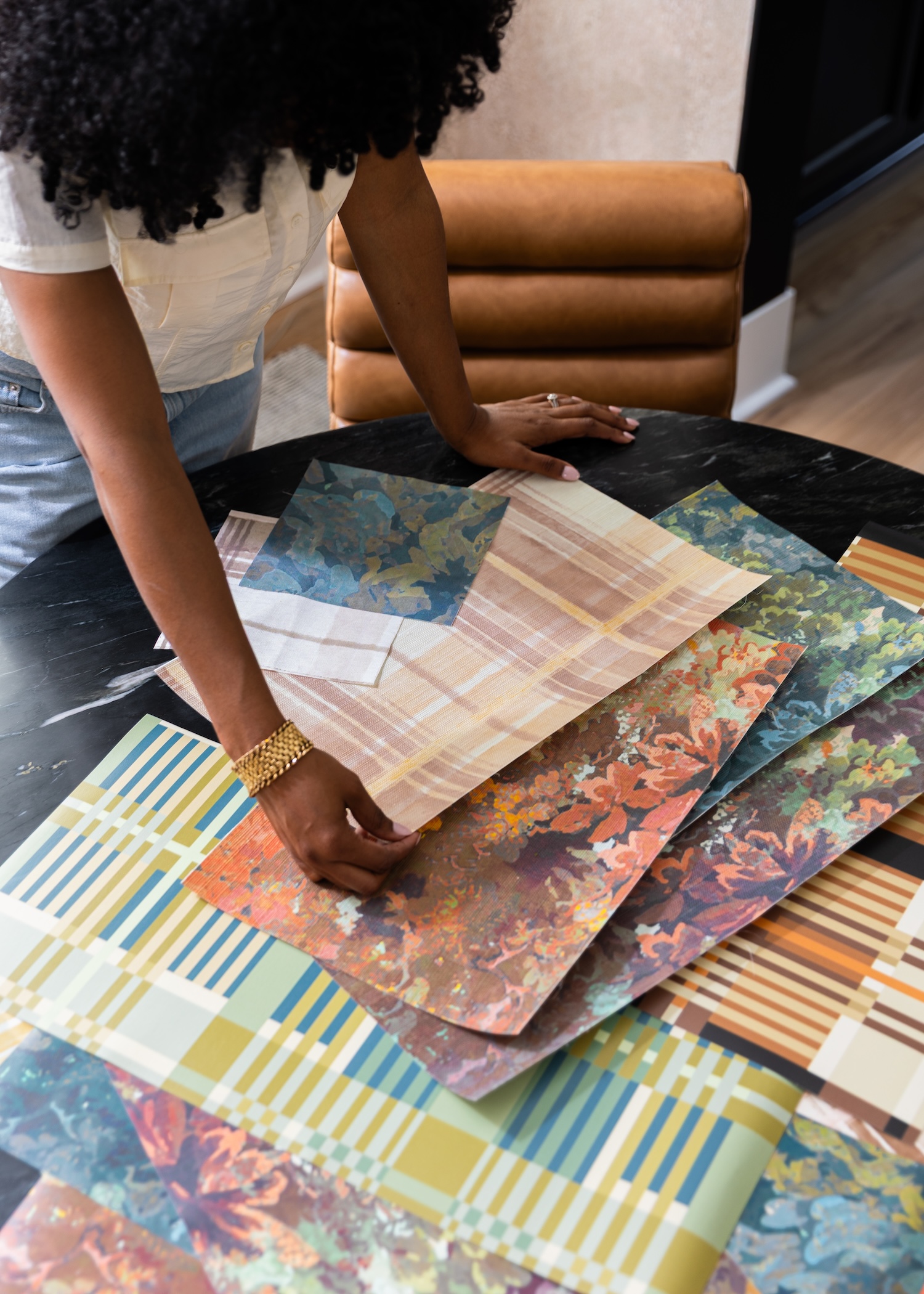
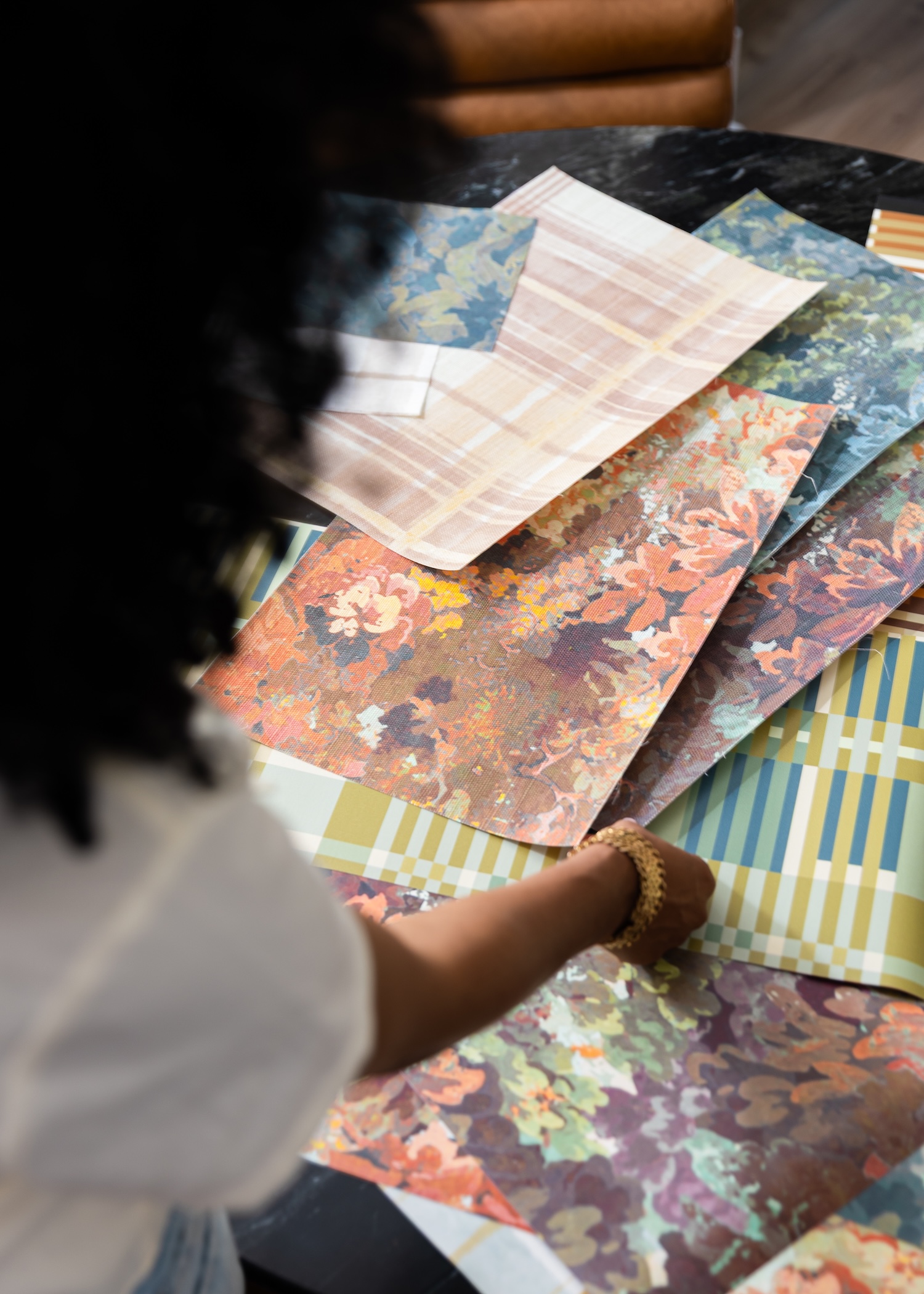
Marie Cloud of Indigo Pruitt Design Studio approaches pattern the way she approaches interiors, as a language of structure, rhythm, and story. For her Spoonflower collection, photographed by Heather Ison, each design explores the idea that pattern can do more than decorate a surface. Created with the same intentional balance she brings to her interiors, the collection reflects a perspective shaped by thoughtful layering, tonal restraint, and a belief that textiles can shape the emotional experience of a home. Read on as Marie shares the inspiration and philosophy behind her collection.
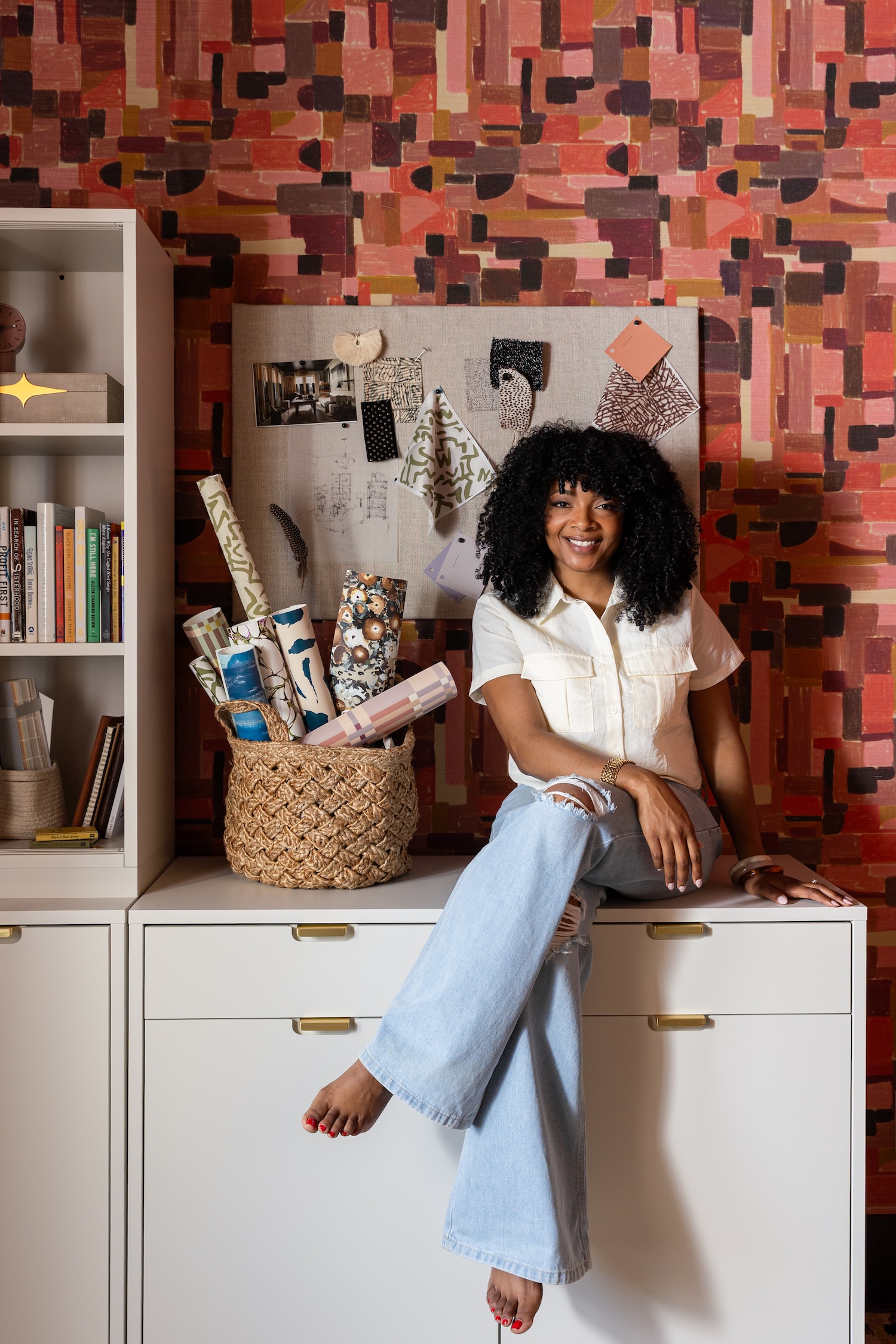
What was the initial inspiration behind your Spoonflower collection and were there any specific themes, stories, or experiences you wanted each design to convey?
The collection was born from my belief that pattern is more than decoration. It is memory, rhythm, and emotion translated visually. I wanted each design to feel layered and intentional, reflecting the way I approach interiors through proportion, movement, and storytelling.
References to nature, heritage, geometry, and cultural nuance appear throughout the collection. Some patterns feel quiet and grounding, while others create visual cadence. That contrast was intentional. In my design philosophy, every space needs an anchor, support, and contrast. I approached the collection through that same framework.
Rather than designing trend-driven prints, I focused on patterns that could live in a home for years and still feel relevant. The goal was timelessness with perspective.
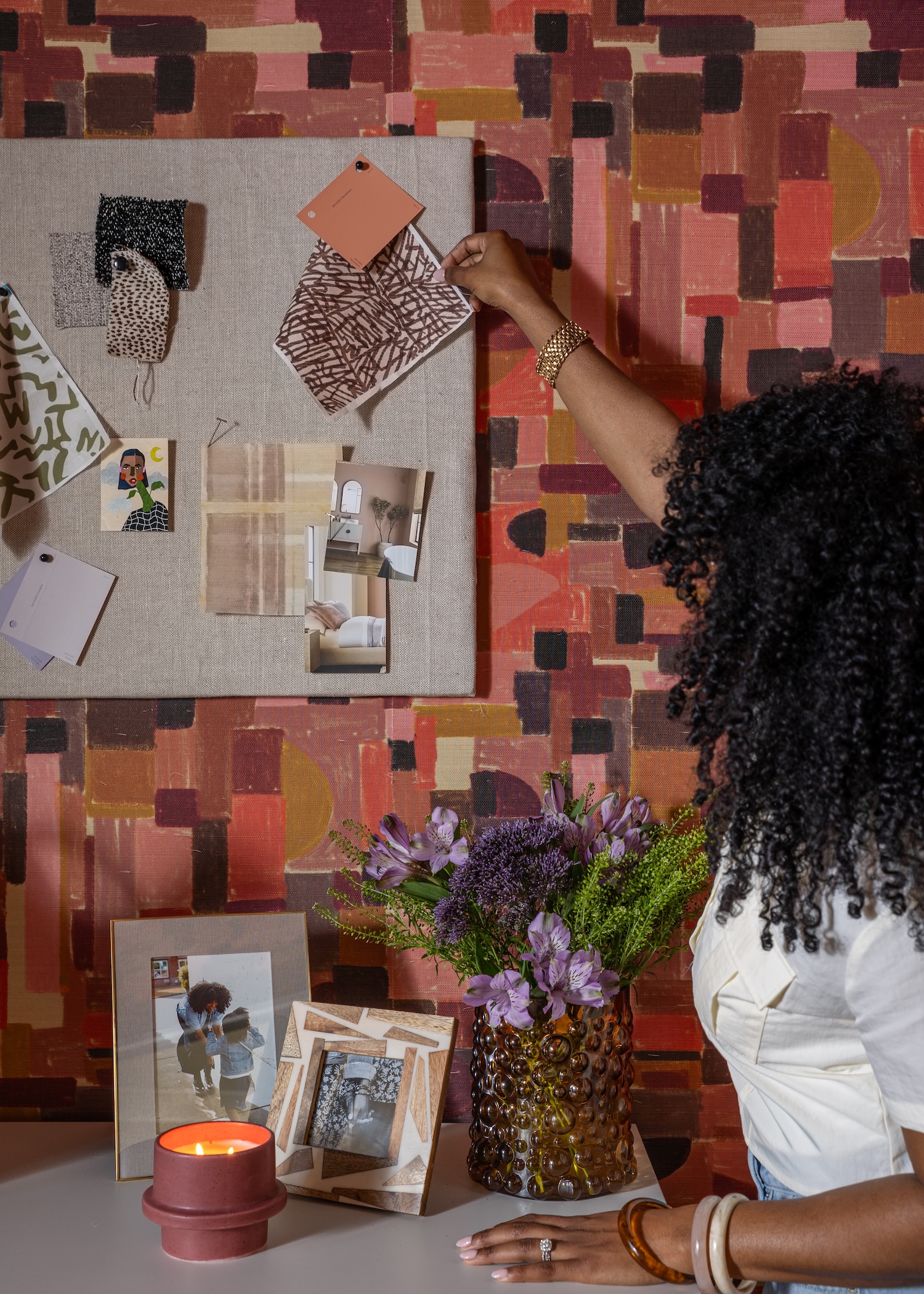
How did this collection allow you to expand or refine your voice as a designer?
Designing for Spoonflower required me to distill my instincts into repeatable form. In interiors, I layer materials, lighting, and furnishings. In pattern design, I had to communicate that same depth using scale, color, and rhythm alone.
The process sharpened my understanding of restraint. It forced me to ask whether a pattern was balanced and emotionally aligned with the experience I wanted it to create. It also refined my voice by reinforcing that clarity is powerful. A strong pattern does not need to shout. It needs intention.
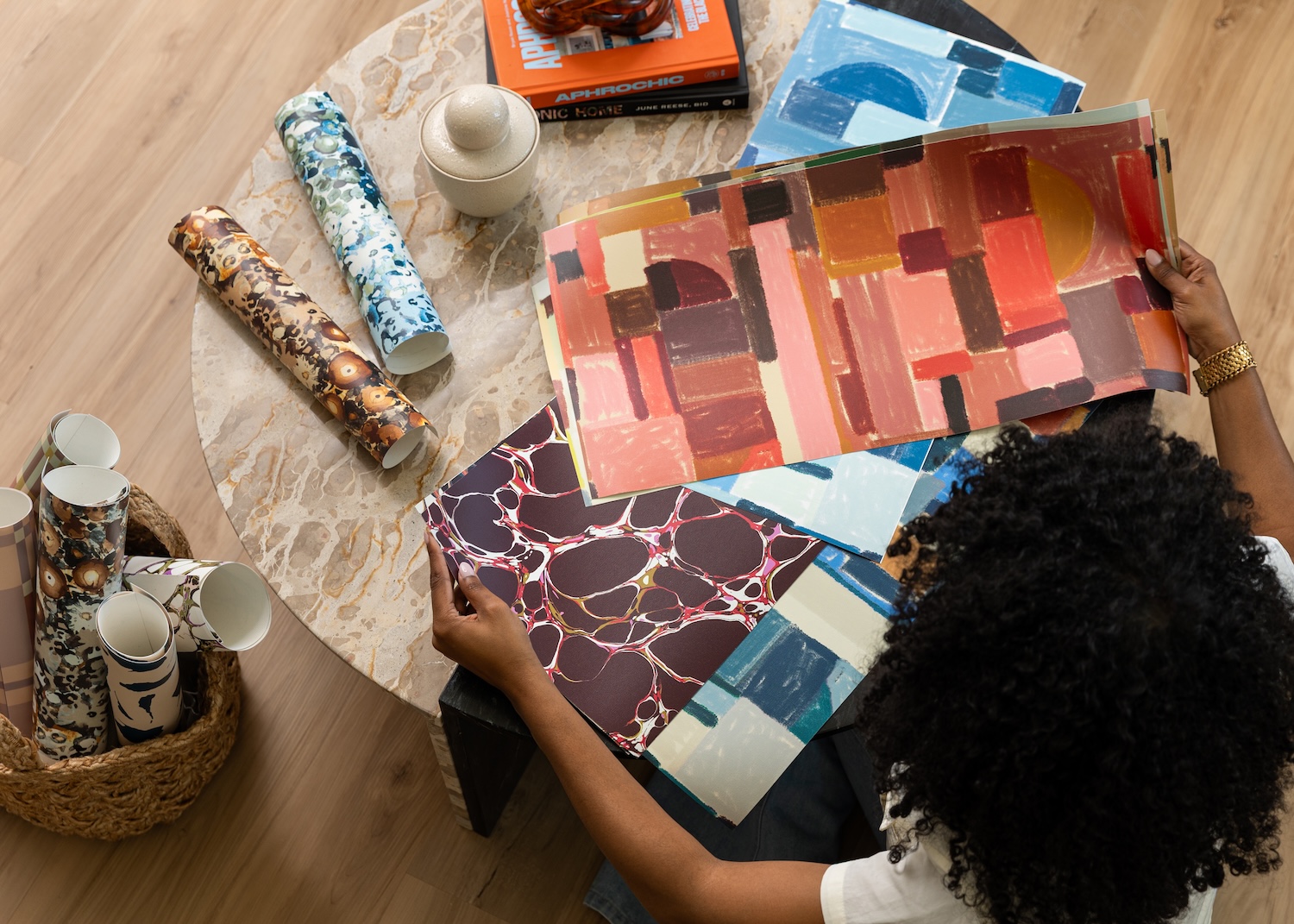
How do you see your work influencing or contributing to broader trends in pattern and textile design?
I am interested in the return to thoughtful pattern. Pieces that feel authored and personal rather than generated.
There is a shift happening toward interiors that feel layered and meaningful rather than minimal for the sake of minimalism. I see my work contributing to that conversation by encouraging designers and homeowners to use pattern as structure, not just accent.
Scale, proportion, and tonal balance matter. When pattern is used strategically, it becomes architectural. That perspective is something I am passionate about expanding within the industry.
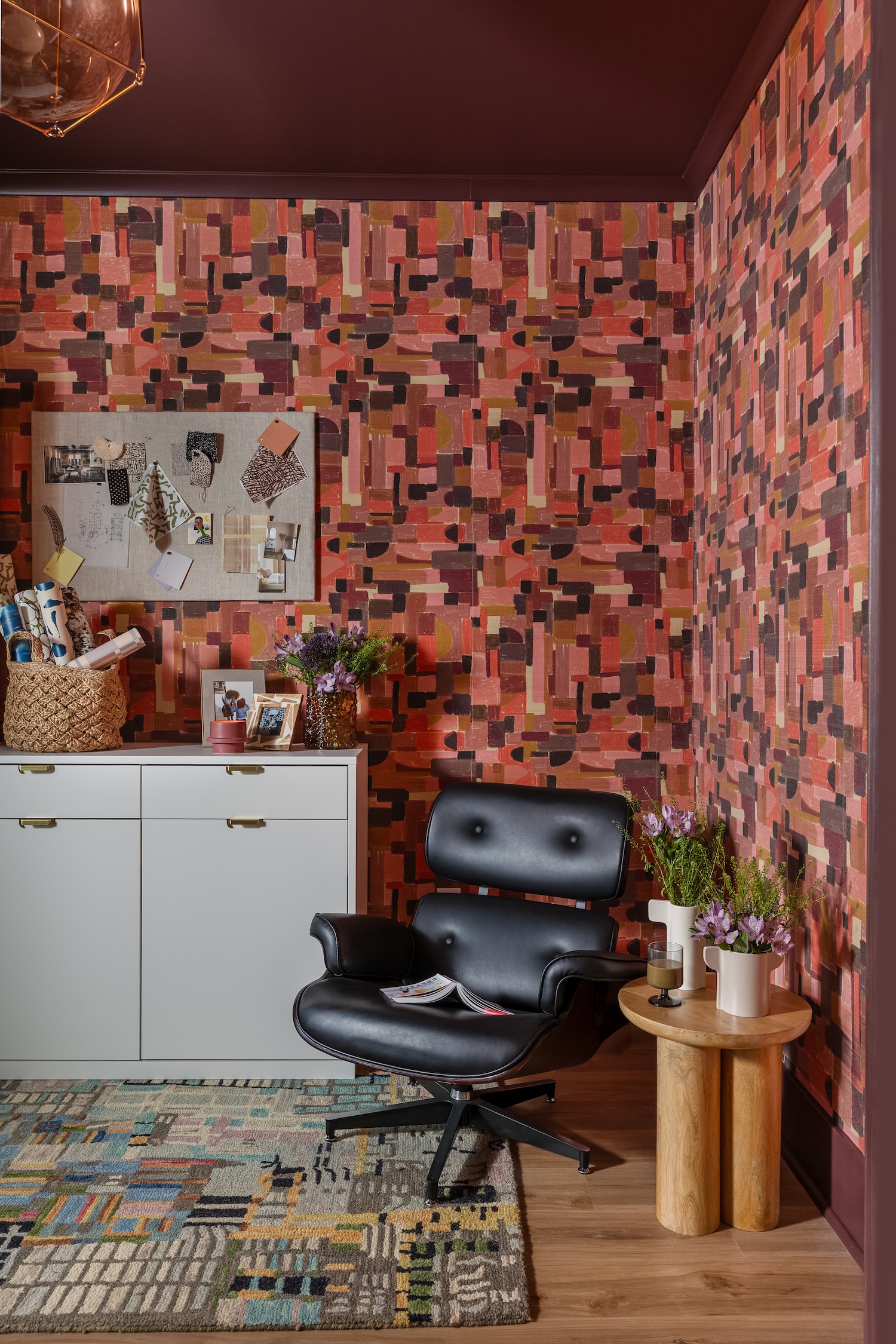
Were there ideas you explored that did not make it into the final collection?
Absolutely. Some early concepts were more intricate and visually dense. Ultimately, they felt decorative rather than structural.
Editing taught me that not every beautiful idea belongs in the final narrative. Cohesion matters more than quantity. The strongest collections have a clear point of view. Removing certain designs allowed the remaining patterns to breathe and feel more intentional.
Now that some time has passed since its release, what feels most enduring about the collection, and are there elements you see carrying forward into future projects?
What feels most enduring is the scale and tonal restraint. The patterns were designed to layer rather than overwhelm, and that principle continues to guide my work.
The balance between grounded neutrals and more expressive moments is something I will continue to explore in future textile collaborations and interiors. I am increasingly interested in how pattern can support the emotional experience of a room. That thread will carry forward.
If you could give one insight to other designers about creating a collection like this, what would it be?
Create from what you actually believe. Not what is trending. Not what will get the most likes. Not what feels safe. When you design from your own framework and lived perspective, the work holds up. Trends move. Your point of view should not.
What is next for you creatively? Any upcoming projects or collaborations you are excited about?
I am continuing to expand into product development and strategic brand collaborations. I am also developing educational resources and experiential design conversations that explore the intersection of aesthetics and emotional well-being in the home.
The through line remains the same. Designing spaces and products that feel intentional and deeply personal.
Discover the talent behind the story… Interior Design: Indigo Pruitt Design Studio · Photography: Heather Ison · Wallpaper & Fabric: Spoonflower